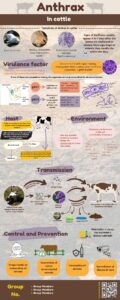
Anthrax in cattle is a serious disease caused by the bacterium Bacillus anthracis, also known as splenic fever. Anthrax is a zoonotic disease, meaning it can affect both animals and people. The bacterium can survive with or without oxygen and is protected by a capsule that allows it to remain in the environment for long periods in the form of spores.
In anthrax cattle cases, the disease does not always appear the same way. It may occur in peracute, acute, subacute, or chronic forms. Anthrax in cattle develops very quickly, and affected animals may die within 48–72 hours.
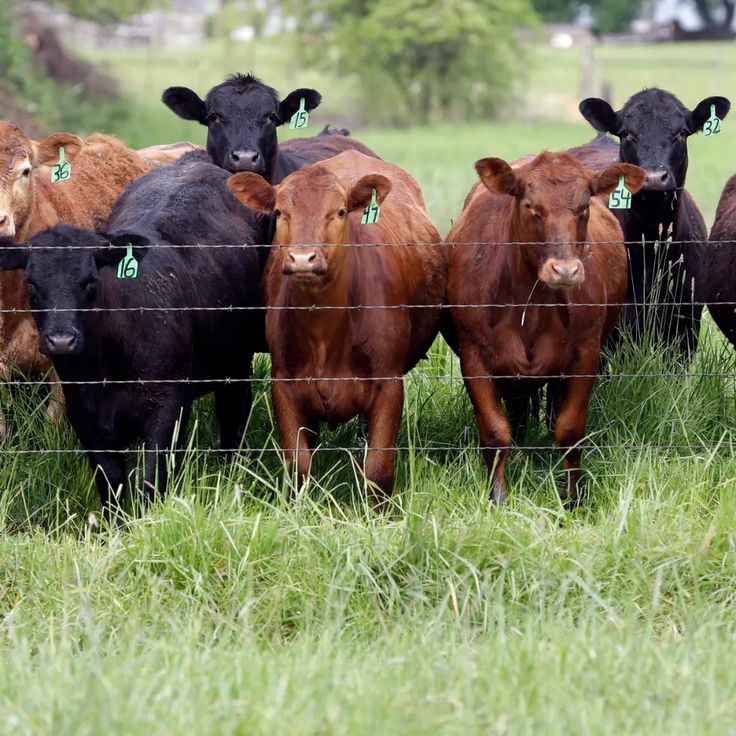
The disease is non-contagious and does not spread directly from one animal to another. Most cases of anthrax in cattle occur when animals graze on contaminated land or drink water containing anthrax spores. Biting flies can mechanically carry Bacillus anthracis spores from one place to another, which may contribute to local spread. Because of its sudden onset and high death rate, anthrax remains a major concern in cattle farming and overall livestock health.
Cause of Anthrax in Cattle
Anthrax in cattle is caused by the bacterium Bacillus anthracis, a Gram-positive organism responsible for this severe disease. Its ability to cause illness is directly related to its unique biological and physical features.
The shape of Bacillus anthracis is typically rod-shaped with square or blunt ends, which aids in diagnosis and differentiation from other bacteria. Its morphology appears as large, straight rods arranged in chains. The structure of Bacillus anthracis also includes a protective capsule that helps it evade the host’s immune system, allowing rapid multiplication in the bloodstream.
Key characteristics of Bacillus anthracis include growth in both aerobic and facultatively anaerobic conditions and the ability to form highly resistant spores. These spores enable the bacterium to survive in harsh environmental conditions for long periods until it enters a susceptible host.
Symptoms of Anthrax in Cattle
Anthrax in cattle shows signs such as staggering (loss of balance), trembling (shaking), difficulty breathing, and
sudden collapse. As the illness progresses, affected cattle often grow very weak and lose interest in food. They may struggle with breathing or show signs of heart stress. In severe cases, animals can become extremely tired, appear dazed, have trouble standing, and sometimes even suffer seizures.
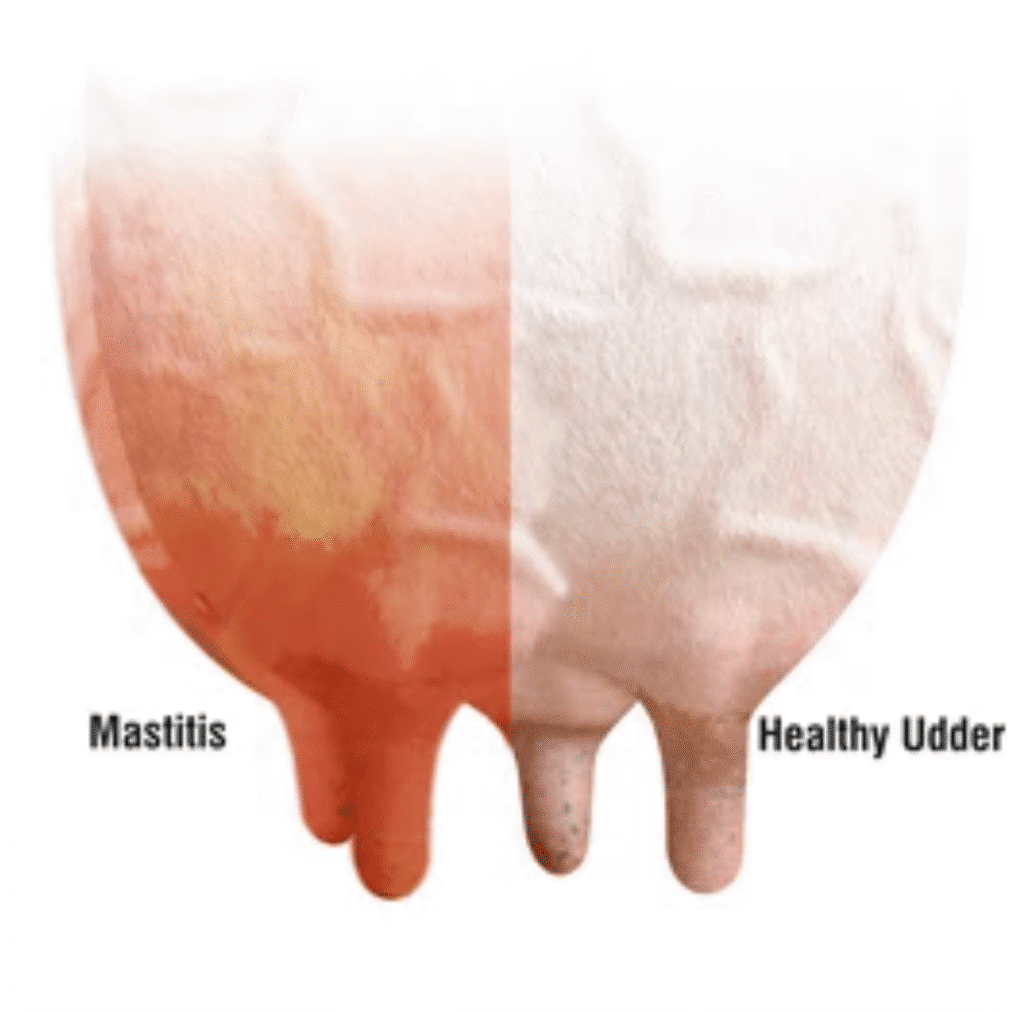
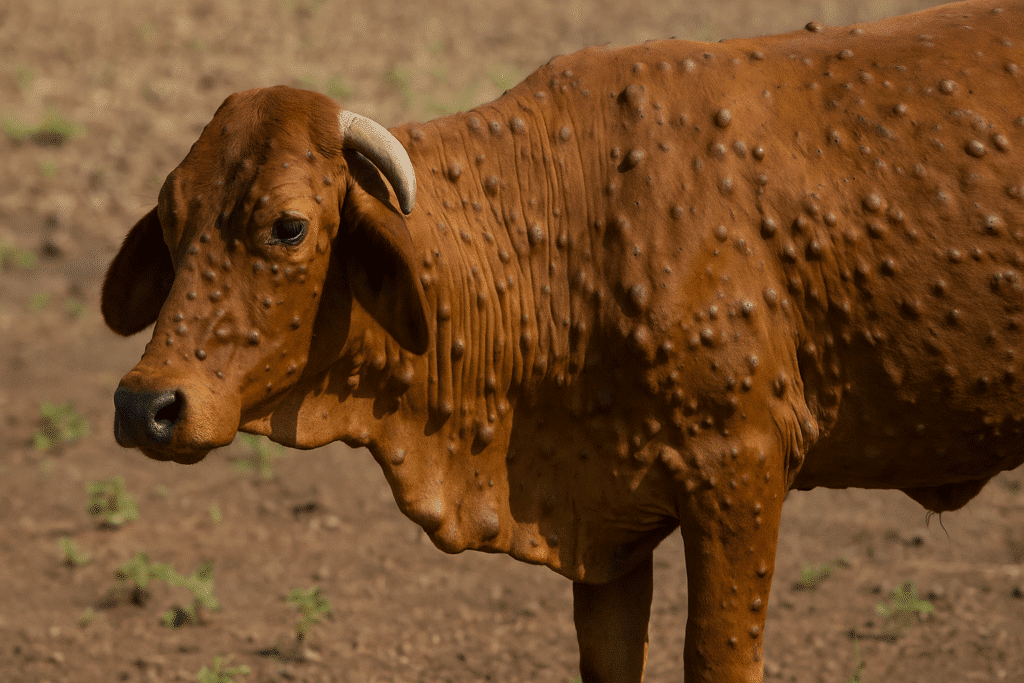
Other noticeable signs include a high fever (up to 41.5°C / 107°F), cessation of cud chewing, and a sharp drop in milk production. Milk may appear discolored, sometimes blood-tinged or deep yellow. Pregnant cows may abort. In advanced infections, dark, unclotted blood may leak from the mouth, nose, or anus, sometimes along with bleeding inside or outside the body and soft swelling filled with fluid and blood.
Anthrax in cattle can appear in four forms: peracute, acute, subacute, and chronic.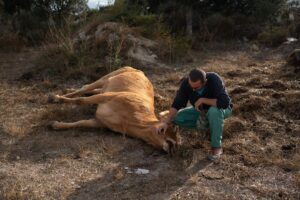
The peracute form is the fastest and most dangerous. Cattle may collapse and die within 48–72 hours, often without showing many clear warning signs. After death, the body may not normally become stiff.
The acute form develops over several hours. Signs include high fever, loss of appetite, staggering, trembling, heavy or difficult breathing, sudden drop in milk production, abortion in pregnant cows, and eventual collapse.
The subacute form appears more slowly. Cattle may look sleepy, weak, shaky, and show mild breathing problems, along with a gradual decrease in milk production. Swelling of the throat or neck may also be seen.
The chronic form is rare. Affected cattle show long-term weakness, poor appetite, slow weight loss, low milk yield, and skin sores that heal slowly.
Early recognition of these anthrax symptoms in cattle is very important.
Diagnoses of Anthrax in Cattle
Diagnosing anthrax in cattle requires rapid identification of Bacillus anthracis, the bacterium that causes the disease. Reliable laboratory tests and field methods help confirm infection quickly, allowing treatment and herd protection.
Bacterial Cultur
Veterinarians use bacterial culture to diagnose anthrax in cattle by growing blood or tissue samples from affected cows in a lab. This process allows the laboratory to identify Bacillus anthracis, sometimes called medusa head bacteria due to its unique appearance under the microscope.. Although this method is reliable, it can take some time to get results.
PCR Testing
PCR (Polymerase Chain Reaction) detects the DNA of Bacillus anthracis in blood, tissue, or environmental samples, even if only a small number of bacteria are present. This makes it a valuable tool for quick and accurate anthrax diagnosis in cattle.
Microscopy and Fluorescent Staining
Anthrax microscopy is another important method. Using blood smears, Fluorescent antibody tests make the bacteria glow under the microscope, which helps confirm the infection quickly. Observing the characteristic rod-shaped Bacillus anthracis is a key step in identifying anthrax in cattle.
Western Blot and ELISA
Blood tests like Western blot and ELISA (Enzyme-Linked Immunosorbent Assay) check for antibodies against anthrax. These tests help determine whether cattle have been exposed to the bacteria or vaccinated, allowing farmers to monitor the herd and control outbreaks.
Treatment of Anthrax in Cattle
Antibiotics are the main treatment for anthrax in cattle, and they work best when given in the early stage of the disease. Bacillus treatment in cattle requires quick medical attention, as the disease spreads very fast once it enters the body. Starting treatment early greatly improves the animal’s chance of survival, while delays often result in death.
Antibiotic Treatment for Anthrax in Cattle
The medicines most commonly used to treat anthrax in cattle include penicillin and tetracyclines, especially oxytetracycline. These Antibiotics help by stopping the bacteria from spreading inside the animal. In many cases, vets use long-acting antibiotics because they keep working for several days, so the animal doesn’t need repeated injections.
Other antibiotics that may be used for anthrax treatment include amoxicillin, doxycycline, erythromycin, gentamicin, streptomycin, ciprofloxacin, chloramphenicol, and sulfonamides. A veterinarian should always select the antibiotic and determine the correct dose and treatment length based on the animal’s weight and overall condition.
In advanced cases of anthrax disease in cattle, affected cattle may not respond to treatment, even after antibiotics are administered. Animals that collapse suddenly or show signs of bleeding often die before the treatment has time to take effect.
Supportive Treatment During Anthrax Therapy
In addition to antibiotics, supportive treatment helps maintain the animal’s strength during anthrax therapy. Cattle that are weak or dehydrated may need fluid therapy, which is usually given through a vein to support normal body functions while the antibiotics do their work.
Supplements Used in Anthrax Treatment
When treating anthrax, vets often give extra supplements to help the animal get back on its feet, but these don’t take the place of antibiotics. A multivitamin shot can help ease weakness and stress, usually given once a day for 3–5 days at 10–20 ml. Vitamin B-complex is also helpful to keep the animal’s appetite and energy up, given at 5–10 ml daily for a few days.
Vitamin C is often used to support recovery during illness and is commonly given at 5–10 ml once daily by injection. When cattle are not drinking enough water, electrolyte solutions may be given orally by mixing them with drinking water according to the product instructions. Mineral mixtures can also be provided orally at 30–50 grams per animal per day to help support body strength during recovery.
Important Points About Anthrax Treatment
Farmers should avoid giving antibiotics and the anthrax vaccine at the same time, because antibiotics can reduce the vaccine’s effectiveness. If vaccination is needed, give cattle the anthrax vaccine 7–10 days after completing antibiotic treatment.
Preventing anthrax in cattle
Anthrax prevention in cattle begins with regular vaccination using approved anthrax vaccines, which is the most reliable way to protect your herd from Bacillus anthracis. In areas where anthrax is common, it’s important to vaccinate all healthy cattle every year, preferably just before the season when outbreaks usually happen. Keeping the farm clean, like maintaining tidy pastures and handling sick or dead animals carefully, is also crucial. Regular vaccination combined with good farm management is the best way to prevent anthrax over the long term.
Vaccine for Anthrax in Cattle
Vaccination is really the key to protecting cattle from anthrax. Farmers widely trust the Sterne strain vaccine, sometimes called the Anthrax Spore Vaccine or other vet-approved versions. Usually, you give 1 ml under the skin, but only to healthy animals. Farmers should vaccinate all cattle annually in areas where anthrax has occurred before.
Farmers should vaccinate cattle 2–4 weeks before the high-risk season to allow immunity to build. In regions where anthrax is common, yearly vaccination is the most reliable way to protect the herd, prevent sudden outbreaks caused by spores in the soil, and maintain long-term herd immunity.
Protocol for Suspected Anthrax
If anthrax shows up on your farm, you have to act fast. Avoid moving any animals and fully isolate the affected area. Give healthy cattle the vaccine right away. Check nearby herds, they could be at risk too. Sick animals? Leave them alone when it comes to vaccination. Call your vet and follow their instructions. Doing these steps properly can really protect your herd and your farm.
Precautions and Safe Carcass Disposal
Preventing environmental contamination is critical. Never open cattle that die suddenly, as doing so can release spores. Farmers must bury dead animals deeply or incinerate them according to veterinary guidelines. Safe carcass disposal is a key part of long-term anthrax prevention and helps protect the entire farm from future outbreaks.
Conclusion
Anthrax is a serious disease in cattle, and it can move really fast. You might see an animal staggering, shaking, or breathing hard. Sometimes they drop down, and a high fever often comes with it. If you test early, using bacterial culture, PCR, or even looking under a microscope, you have a better chance of catching it. But even then, treatment only works if you act immediately. Because medicine has its limits, the best way to keep cattle safe is still prevention. Regular vaccination, good farm hygiene, and careful handling of sick or dead animals are essential parts of the prevention of anthrax, helping keep the herd safe and reducing the risk of outbreaks.
FAQs Related to Anthrax in Cattles
How can anthrax be prevented?
Farmers can mainly prevent anthrax by regularly vaccinating healthy cattle, especially in high-risk areas. Keeping pastures clean, handling sick or dead animals carefully, and isolating affected farms also helps. Good farm hygiene combined with consistent vaccination is the most effective way to keep the disease away.
What causes anthrax disease?
The bacterium Bacillus anthracis causes anthrax. It can survive in soil for years as spores and infects cattle when they eat contaminated feed or graze on infected pastures. Once inside the animal, it multiplies quickly, leading to severe illness.
Which of the following are characteristics of Bacillus anthracis?
Bacillus anthracis is a rod-shaped bacterium that forms tough spores, allowing it to survive in soil for many years. It is non-motile, Gram-positive, and can cause rapid, severe disease in cattle and other animals when ingested or inhaled.
Is anthrax airborne?
Anthrax itself isn’t naturally airborne, but its spores can become suspended in the air if disturbed, such as during handling of contaminated animal products or soil. Inhalation of these spores can cause serious respiratory illness, so precautions are important.
How do you prevent anthrax?
The best way to prevent anthrax is through regular vaccination of healthy cattle, especially in high-risk areas. Keeping the farm clean, like tidy pastures and handling sick or dead animals with care, is also very important. is also important. Combining vaccination with proper farm management keeps the herd safe.