Ketosis in cattle, also known as Hyperketonemia or acetonemia, is a metabolic disorder that often affects dairy cows during the early days of lactation after calving. It is most common in high-producing cows, as their energy requirements for milk usually surpass what they get from feed. Cows with ketosis often lose their appetite and start eating less than normal. Because their blood sugar drops, they may look weak, tired, and produce less milk. This problem does not spread from one cow to another; instead, it develops because of the feeding and energy changes cows go through around calving.
The disease develops when a cow’s body begins breaking down too much of its fat reserves, leading to a build-up of ketone bodies in the bloodstream. Affected cows, often called “keto cows,” usually produce less milk, lose body condition, and appear weak or tired. Farmers may notice that the cow seems dull, performs poorly, or has a noticeable sweet, acetone-like smell on the breath, in the milk, or in the urine. The condition is confirmed by testing ketone levels in samples of blood, milk, or urine.
Treating bovine ketosis involves supplying energy directly to the cow, usually in the form of glucose or propylene glycol, to help bring ketone levels back to normal. Supportive care, such as vitamins and minerals, is sometimes needed, and careful monitoring ensures that the cow recovers properly and resumes normal milk production.
Symptoms of Ketosis in Cattle
Ketosis symptoms in dairy cows often begin with a loss of appetite, where cows refuse to eat grains or concentrates, although they may still nibble on hay or grass. At the same time, their milk production can drop suddenly, and they may look tired, weak, and dull. You might also notice weight loss and a sunken or empty-looking belly. Usually, their temperature remains normal, and dehydration is only mild.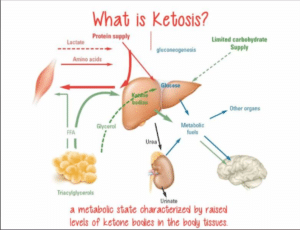
As the condition gets worse, changes in digestion become noticeable. The rumen can be either overactive or sluggish, cud chewing decreases, and feces often turn hard and dry. One of the most recognizable signs of ketosis is a sweet or acetone-like smell in the cow’s breath, milk, or urine. This is a clear signal that immediate action is needed.
In more severe cases, the nervous system can be affected. Cows may start chewing or licking unusual objects, drooling excessively, grinding their teeth, or chewing on things like gates, pipes, or walls. This condition is known as pica. Their behavior may change too, showing aggression, restlessness, or frequent bellowing. Neurological symptoms can also develop, such as walking in circles, crossing legs, uncoordinated movements, pressing the head against walls, or even temporary blindness.
Recognizing these signs of ketosis in dairy cows early is crucial for starting treatment on time and keeping your herd healthy.
Causes of Ketosis Disease in Cattle
Ketosis in cattle occurs when a dairy cow does not get enough energy, especially after calving. During early milk production, the cow needs a large amount of energy. If she does not eat enough feed or the feed is low in energy, her body cannot produce enough sugar. To cover this shortage, the body starts using stored fat, which produces ketones and results in a ketotic cow.
In a ketotic cow, ketones build up in the blood and reduce appetite. The cow eats less, milk production drops, and body condition starts to decline. Digestion slows down, rumen activity becomes weak, and the cow appears dull and tired. This process explains how ketosis develops and why energy deficiency is the main cause of the disease.
Diagnosis of Ketosis in Cattle
Diagnosis of ketosis disease in cattle starts with practical and reliable tests that farmers can trust. One of the easiest ways is the urine or “strip” test, which looks for ketone bodies like acetoacetate and acetone. These ketones build up in the cow’s body during acetonemia. When the strip changes color, it gives a clear signal that the cow is ketotic, helping farmers act quickly without complicated equipment.
For more accurate results, blood testing is often used. The main ketone measured is β-hydroxybutyrate (BHB), and a BHB blood test can confirm exactly how much ketone is in the cow’s system. This test, often referred to as ketosis BHB, is the most reliable way to verify the disease and determine how severe it is.
Using a combination of urine strip tests and BHB blood tests makes diagnosis straightforward and effective. Early and accurate testing ensures that farmers can manage ketosis and acetonemia in cattle quickly, keeping cows healthy and milk production steady.
Treatment of Ketosis in Cattle
Since ketosis in cows occurs when blood sugar drops too low, effective treatment is centered on providing fast-acting energy sources and supporting the liver to produce glucose. Bovine ketosis treatment focuses on quickly restoring a cow’s energy, stopping the breakdown of body fat, and reducing ketone levels in the blood. The treatment approach depends on whether the condition is mild, moderate, or severe.
Oral Energy Therapy (Primary Treatment)
The first step in cow ketosis treatment is oral energy therapy. This involves giving energy-rich supplements by mouth using a drenching bottle while keeping the cow calm and standing. Farmers most commonly use propylene glycol for cows, and the liver quickly converts it into glucose, providing immediate energy and lowering ketone levels.
For adult dairy cows (400–600 kg), the recommended dose is 300 ml once daily. Mild cases require treatment for 3 days, while moderate to severe cases may continue for up to 5 days. Administer the drench slowly to ensure the cow swallows the full dose safely.
Products and usage:
- Ketozip is given at around 300 ml per cow once a day and contains propylene glycol, glycerol, and B-vitamins to provide quick energy.
- KetoCare 25L is given at about 250 to 300 ml per cow each day and can be offered directly or mixed into the feed.
- Propyguard: 300 ml per cow once daily; combines propylene glycol and propionic precursors to support glucose production.
Be careful not to give too much, as too much propylene glycol can lower the cow’s appetite or upset digestion. When it is given correctly, it helps the cow recover from ketosis much faster.
Vitamin Support (B12 and B-Complex)
Vitamin injections help support the liver and improve the cow’s response to oral energy therapy. B12 Vitamin specifically aids in converting nutrients into glucose and works best when used alongside propylene glycol drenching.
Dosage for adult dairy cows:
- Vitamin B12 (Cyanocobalamin): 2–5 ml per cow, intramuscular (IM)
- Equivalent to 1.25–5 mg per cow, depending on product strength
- Give one injection; may repeat after 3–5 days if needed.
Products and usage:
- B-Complex + B12 Injection: 5–10 ml per cow IM; supports liver metabolism and glucose formatio
- Vitamin B12 Injection: as per label instructions, given IM in the neck or thig
A trained person or veterinarian should always give injections using a clean syringe. Giving it the right way helps cows get better faster and makes the energy treatment work properly.
Intravenous Glucose (Severe or Nervous Ketosis)
For severe or nervous ketosis, rapid correction of blood sugar is essential. A veterinarian or trained person administers IV glucose (dextrose) to stabilize the cow and provide immediate energy when oral supplements alone do not suffice.
A veterinarian or trained professional administers 50% dextrose solution directly into a vein using sterile equipment.
Dosage for adult dairy cows (400–600 kg):
- 500 ml of 50% dextrose solution per cow
- Given once via IV
Important to know:
- Only a trained professional should perform IV glucose administration.
- Continue oral propylene glycol for several days after IV treatment to maintain blood sugar and prevent relapse.
- Monitor the cow to ensure she begins eating and regains normal energy levels.
This treatment is highly effective in emergencies, and when combined with oral energy therapy, it ensures fast and safe recovery in ketosis cow treatment.
Prevention of Ketosis in Cattle
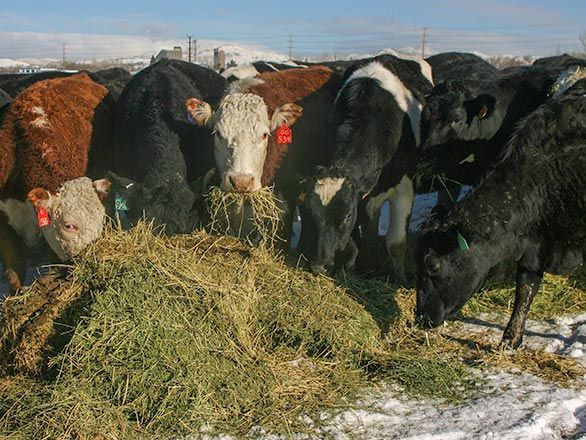
The first step in preventing ketosis in dairy cattle is feeding a balanced, energy-rich diet. Cows should always have access to good-quality forage, like hay or silage, along with enough concentrates to meet their energy needs. Fresh, clean water should never run out. During early lactation, giving extra energy helps stop the body from breaking down too much fat, which is the main reason ketones build up and cause bovine ketosis.
It’s also important to keep an eye on body condition. Cows that are too thin or lose too much weight after calving are more likely to get ketosis disease in cattle. Keeping a healthy body condition before and after calving, and adjusting feed when needed, helps lower the risk and keeps cows productive.
Good feeding management is another key factor in preventing ketosis in dairy cattle. Feeding smaller, more frequent meals instead of one big meal helps maintain stable energy. Avoid sudden diet changes, and make sure cows get enough roughage to keep the rumen working properly. Following a steady feeding routine reduces stress on the metabolism and lowers the chances of bovine ketosis.
Using preventive feed additives can also help protect cows that are more at risk. Farmers can add glycerol blends to feed or molasses at 250–500 ml per cow per day, and include propionate-based additives at 100–200 g per cow per day. A veterinarian should guide the use of Monensin supplements, which can also improve energy metabolism. These additives help keep blood sugar steady and reduce ketone buildup in dairy cattle.
Reducing stress is just as important. Stress makes cows eat less, which lowers their energy intake and increases their risk of ketosis disease in cattle. Make sure cows have clean, comfortable housing, enough space to rest, and gentle handling during feeding and milking. A calm environment helps them stay healthy and maintain energy balance.
Watch high-risk cows carefully. Keep an eye on your cows’ appetite, milk output, and body condition—especially during early lactation or in cows that have had ketosis before. Spotting energy problems early can help prevent full-blown ketosis and keep your herd healthy and productive.
Farmers can prevent ketosis in cattle by providing good nutrition, regular feeding, supplements, reducing stress, and monitoring their herd.
Conclusion
Bovine ketosis is a condition that commonly affects dairy cows, especially during the first few weeks after calving. The good news is that quick treatment with energy supplements, vitamin injections, and IV glucose can help cows recover.
But prevention is even better than treatment. To keep your cows healthy, make sure they’re getting a good, energy-rich diet and try to feed them around the same time every day. You can give supplements when it seems necessary. Watch cows that have had issues before, they tend to get sick again more easily. Just paying attention to these small things can help keep ketosis away and milk production steady.
Frequent Ask Question
What is ketosis in cows?
Ketosis in cattle is a metabolic disorder in early-lactation cows, where fat breakdown raises ketone levels in the blood.This can lead to reduced appetite, lower milk production, and weakness if not treated promptly.
What is the cause of ketosis?
After calving, a cow’s energy shortage causes ketosis. When a cow’s feed intake does not meet the high energy demands of early lactation, her body starts breaking down fat for energy. Breaking down fat produces ketones, which build up in the blood and cause reduced appetite, lower milk production, and weakness.
What drug is used for ketosis in cattle?
The most commonly used treatment for ketosis in cattle is propylene glycol, given orally to provide quick energy and help lower ketone levels. In more severe cases, intravenous glucose (dextrose) may be used to raise blood sugar rapidly. Supportive treatments can include Vitamin B12 or B-complex injections to help the liver convert nutrients into glucose more efficiently.
How do you prevent ketosis in cattle?
Prevent ketosis in cattle by feeding a balanced, energy-rich diet, keeping steady feeding routines, reducing stress, and using preventive supplements like glycerol or propionate-based additives. Regularly monitor high-risk cows for appetite and milk production.
What are the first signs of ketosis?
The first signs of ketosis cattle symptoms are loss of appetite (especially for grains), reduced milk production, and general weakness. Cows may still nibble on hay or grass, but their energy levels drop noticeably.