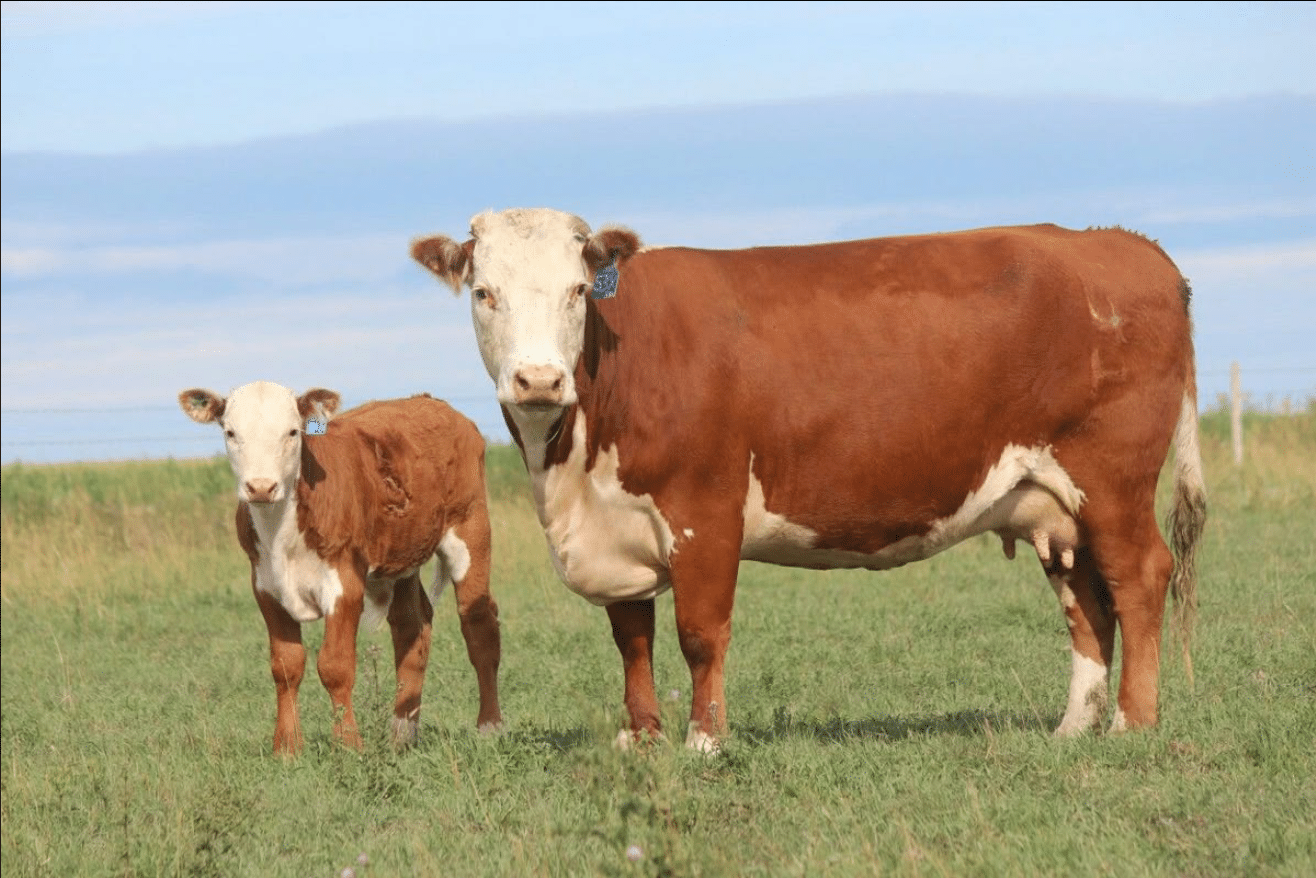
Blackleg in cattle is a highly serious and rapidly progressing disease in livestock. It is caused by Clostridium chauvoei and often leads to sudden and significant losses for farmers and ranchers. It mainly affects young cattle between 6 and 24 months of age and is considered one of the most important cattle clostridial diseases.
In most cases, cattle pick up the infection while grazing on pasture where the bacteria are present in the soil. The spores enter the body and can remain quiet for a long time without showing any signs. But when the conditions inside the body change, like after stress or minor injury, they become active and start releasing toxins that lead to disease. The disease then spreads very quickly, causing muscle damage, gas buildup in tissues, and severe poisoning of the body. Sadly, animals often die suddenly, sometimes without showing clear warning signs.
Blackleg disease, also known as black quarter, is closely linked with other clostridial conditions like enterotoxemia in cattle. Because of its sudden onset and high death rate, it remains a major concern for farmers and livestock owners.
Causes of Blackleg in Cattle
Blackleg in cattle disease is caused by Clostridium chauvoei (C. chauvoei). It’s a dangerous anaerobic, rod-shaped, motile bacterium that spreads quickly and is often referred to as an “evil bacteria” because of how rapidly it can lead to death. It is considered one of the most important clostridial diseases in cattle, affecting both young calves and adult animals.
One of the reasons blackleg is so difficult to control is that the bacteria can survive in soil for many years in the form of highly resistant spores. This makes contaminated pastures a constant source of infection. Cattle, whether dairy or beef, usually become infected when they ingest these spores while grazing. Certain environmental conditions, like soil digging, flooding, or any disturbance in the pasture, can bring these spores to the surface, increasing the chances of exposure.
After entering the body, the spores move into the skeletal muscles and can remain inactive for a long time. They don’t necessarily need an open wound to become active. In many cases, internal factors such as muscle bruising, minor trauma, or even heavy exercise create low-oxygen conditions that allow the bacteria to activate and start multiplying.
Once activated, C. chauvoei multiplies very quickly and releases powerful toxins, along with gas as a byproduct. This gas builds up in the muscles, causing swelling and a crackling feeling under the skin when touched, a condition known as clostridial myositis. The toxins then begin to destroy muscle tissue and damage blood vessels, leading to severe toxemia and, in many cases, sudden death.
Black Leg in Cattle Symptoms
Signs of blackleg in cattle usually show up very suddenly and move fast. In many cases, farmers don’t even get a warning; an animal may be found dead, often within 12 to 48 hours. That’s why black leg disease symptoms are often missed in the early stage.
If signs do appear, they usually start quietly. The animal may have a fever, stop eating, and look dull or depressed. You might notice it standing alone or moving less than usual. These early symptoms of black leg in cows are easy to ignore if you’re not checking animals closely.
As the disease progresses, things become more obvious. Sudden lameness is one of the first clear blackleg symptoms in cattle. The animal may start limping, especially in the back legs, and may not want to walk at all. Many animals lie down and struggle to get back up, which commonly indicates blackleg in cattle.
Soon after, swelling appears in large muscles like the hips, shoulders, or neck. At the start, the swelling feels hot and painful. But what really stands out is the gas inside the tissue. If you press the area, you may feel a crackling sound under the skin; this is one of the most recognizable signs of blackleg in cattle. As the disease gets worse, the swelling becomes cold, and the skin may turn dark due to tissue damage.
In more advanced stages, the condition becomes severe. The animal may breathe faster, its heart rate increases, and it may show trembling or extreme weakness. Some animals may have trouble breathing if deeper muscles are involved. At this point, they usually stop eating completely. These are serious symptoms of blackleg disease in cattle and show that the infection has spread.
Toward the end, the animal can no longer stand and remains lying down. Death follows quickly, often within the same short time frame. These late-stage cattle black leg symptoms progress so fast that treatment rarely works. In calves, the disease can be even more aggressive, which makes blackleg symptoms in calves especially important to recognize early.
Overall, blackleg doesn’t give much time. It often starts with small changes, then quickly leads to lameness, swelling, and severe illness. Knowing these blackleg symptoms and early blackleg symptoms can help you act faster and protect the rest of your herd.
Diagnosis of Blackleg in Cattle
Diagnosing blackleg in cattle isn’t always straightforward, mainly because the disease moves so fast. In many cases, animals die before veterinarians can perform a proper examination. That’s why veterinarians usually start the diagnosis by observing the animal in the field and then confirm it through lab tests.
Here are the main methods veterinarians use to confirm blackleg disease in cattle:
- Ultrasonographic Examination
Veterinarians can use this in live animals to check swollen muscle areas. It helps detect gas inside the tissues, which is a strong clue pointing toward blackleg infection.
- Postmortem Examination
A necropsy is one of the most common ways to identify blackleg. The affected muscles usually look dark, spongy, and full of gas bubbles, often with a strong foul smell. The blood may also appear dark and not clot properly. These are typical signs seen in blackleg cases.
- Anaerobic Culture
Samples are taken from affected muscles and grown in oxygen-free conditions. This allows the bacteria, Clostridium chauvoei, to grow so they can be identified.
- Biochemical Identification
Once the bacteria grow, veterinarians perform further tests to confirm exactly which organism is present. This helps make sure it is C. chauvoei and not another similar bacterium.
- PCR Assay
This is a modern and very accurate test that detects the DNA of the bacteria in tissue samples. It gives quick and reliable results for confirming blackleg.
- Fluorescent Antibody Test (FAT)
This test uses special antibodies to detect bacteria in samples quickly. This test helps confirm the infection quickly when fast results are needed.
- Immunohistochemistry (IHC)
Veterinarians perform this method on preserved tissue samples to identify bacterial presence within the tissue. It’s especially helpful when other test results are unclear.
One important thing to keep in mind is that after death, other bacteria like Clostridium sordellii can enter the tissues and confuse the results. So, proper sample handling is very important.
In simple terms, diagnosing blackleg in cattle is a combination of what you observe in the animal and what laboratory tests confirm.
Treatment for Blackleg in Cattle
Strong antibiotics, especially penicillin or sometimes oxytetracycline, are usually the first step when treating blackleg. They work by slowing down the infection before it gets out of control. Alongside that, administer anti-inflammatory medicines to ease swelling and help the animal feel more comfortable. Along with this, simple care like keeping the cow hydrated and letting it rest can make a big difference.
Keep an eye out for back leg problems in cows. Swelling, stiffness, or sudden lameness are signs to act immediately, as lameness can also resemble early signs of foot and mouth disease. For healthy animals, a black leg shot for cattle can prevent the disease. Fast action and careful observation are what make the treatment of blackleg in cattle successful.
Black Leg Medicine for Cattle
The moment you suspect blackleg, administer antibiotics without delay. This is the most reliable black leg medicine for cattle available.
Veterinarians commonly use:
- Procaine Penicillin G (given in the muscle)
- Crystalline Penicillin (used in more severe cases through IV)
These drugs work best when given early. If the disease has already progressed too far, even strong antibiotics may not be enough. That’s why quick action is critical in the treatment of blackleg in cattle cases.
Pain Relief and Supportive Care
Along with antibiotics, animals need support to handle pain and inflammation. Drugs like:
- Flunixin meglumine (Banamine)
- Meloxicam (Metacam)
help reduce fever, swelling, and discomfort.
At the same time, basic care matters a lot: clean water, soft feed, and proper rest. If the animal is struggling to walk or showing stiffness, this type of care becomes part of the treatment of cow back leg problems as well.
Opening the Swelling (Surgical Help)
In some early cases, vets may open the swollen area (a procedure called fasciotomy). It might sound aggressive, but it actually helps by:
- Releasing trapped gas
- Letting oxygen reach the tissue
- Slowing down bacterial growth
This is especially helpful when you see heavy swelling, similar to what farmers notice when searching for cow swelling under the neck, treatment or muscle swelling issues.
Cleaning and Managing the Wound
If there’s an open area or after surgery, keeping it clean is very important. Usually:
- The area is washed with antiseptics like iodine or hydrogen peroxide
- The wound is left open so air can reach inside
This simple step supports healing and improves results while treating blackleg in cattle.
Use of Antiserum
Blackleg antiserum can sometimes help if used very early. It works by neutralizing toxins produced by the bacteria.
Farmers often consider it as part of an emergency black leg shot for cattle, but it’s not a replacement for antibiotics and doesn’t work well in advanced stages.
Blackleg Prevention in Cattle
Preventing blackleg in cattle is all about protecting the herd before the disease has a chance to develop, because once it appears, treatment is rarely effective. The best way to prevent it is through timely vaccination, good pasture management, and proper farm biosecurity. Together, these measures help lower the risk of exposure to Clostridium chauvoei, reduce the chances of sudden outbreaks, and keep the herd healthy and productive.
Black Leg Vaccine for Cattle
When it comes to blackleg, vaccination is your strongest line of defense. It helps the animal’s immune system fight off the bacteria before it has a chance to cause damage.
On most farms, farmers use a few common blackleg vaccines for cattle:
- The Clostridium chauvoei vaccine, which directly targets blackleg
- 7-way or 8-way clostridial vaccines like Ultrabac 8 or Vision 8, offering broader protection
- Single blackleg vaccines for calves are especially useful for younger or more vulnerable animals
Blackleg Vaccine Dosage and Schedule
Timing matters a lot when it comes to vaccines. A simple and consistent cattle vaccination schedule can make a big difference:
- Calves (around 2 months old): Two shots, spaced about 4 weeks apart
- Adult cattle: One booster every year
- High-risk areas: Regular vaccination is even more important, even for healthy animals
It’s always a good idea to follow the cattle immunization schedule provided with the vaccine to get the best results.
Keeping up with vaccinations not only protects individual animals but also helps build overall herd immunity.
Pasture Management to Prevent Blackleg
Good pasture management doesn’t just improve grazing; it also lowers the risk of blackleg.
A few simple practices can go a long way:
- Rotate grazing areas instead of using the same land all the time
- Avoid overgrazing so the soil stays covered and healthy
- Keep an eye on fields after heavy rain or flooding
- Be cautious with land that has been recently disturbed
Blackleg bacteria can live in the soil for years, so managing your pasture properly helps reduce the chances of exposure.
Biosecurity and Carcass Management
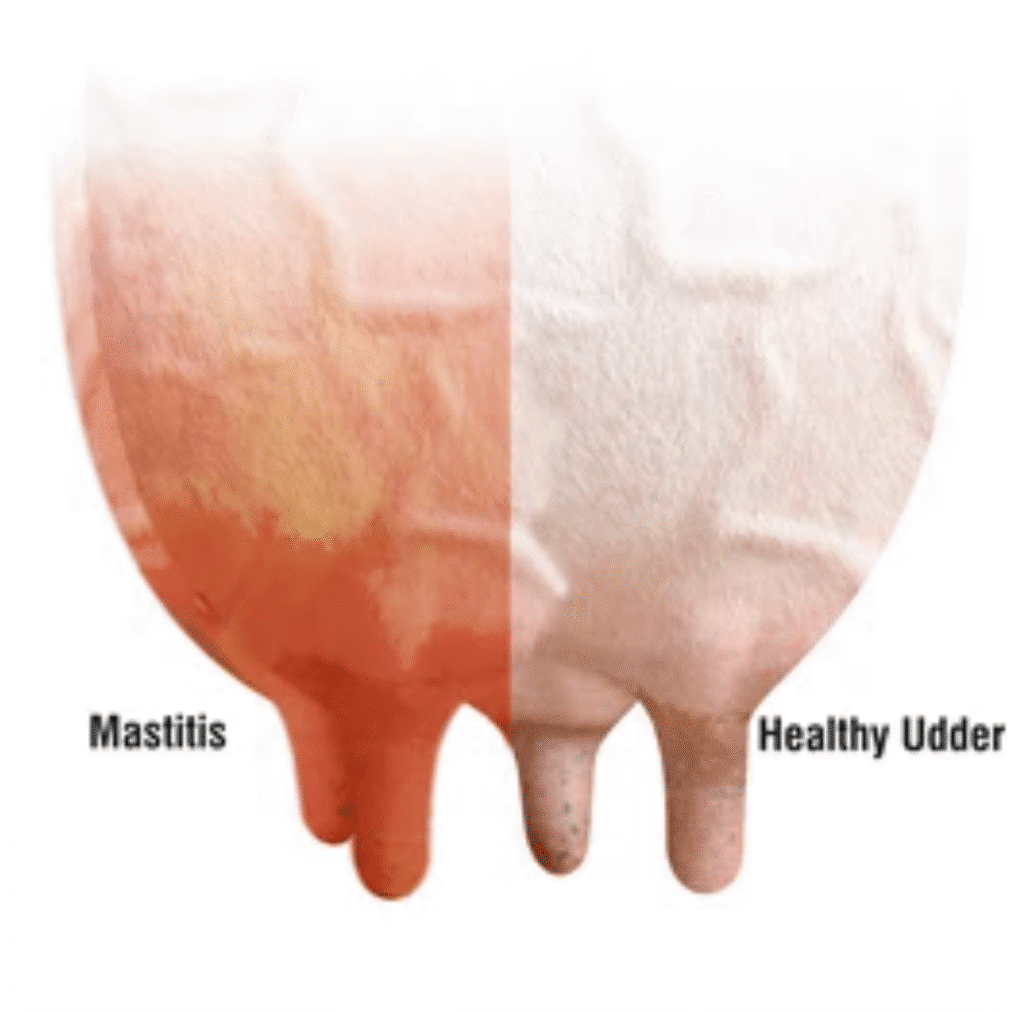
Another important part of prevention is maintaining basic farm biosecurity, which also helps reduce diseases like mastitis in cattle.
- Dispose of dead animals quickly and safely
- Avoid disturbing the soil unnecessarily
- Keep the surroundings clean and well-managed
- Limit people from entering areas that might be contaminated.
Proper carcass handling is especially important, as it helps stop the bacteria from spreading further into the environment.
Best Approach for Blackleg Prevention in Cattle
In real-world farming, there’s no single solution; it’s about doing a few things consistently and doing them well.
The best protection comes from combining:
- Regular vaccination
- Careful pasture management
- Strong biosecurity practices
When all these are in place, your herd, both calves and adult cattle, has a much better chance of staying safe from blackleg. It also means fewer losses and a more productive farm overall.
Conclusion
Blackleg in cattle is a serious disease that can strike very quickly. Often, farmers have little time to react. That’s why understanding the cause and recognizing early signs is so important. Treatment only works in the early stages. Acting quickly can still save an animal. But prevention is always better than a cure.
The most effective way to protect your herd is through regular vaccination. Combine this with proper pasture management and strong farm biosecurity. These simple steps can go a long way in lowering the chances of a blackleg outbreak. It also helps to keep a regular check on your cattle, look out for signs like swelling, limping, or fever. Catching the problem early makes a big difference and gives you time to act before things get worse. With consistent care, both calves and adult animals stay in better shape, and the overall herd performs much more reliably over time.
FAQs related to blackleg in cattle
What is blackleg in cattle?
Blackleg in cattle is a serious bacterial disease in cattle caused by Clostridium chauvoei. It mainly affects young animals and leads to sudden swelling in muscles, lameness, and often rapid death if not treated early.
What are the signs of blackleg in cattle?
Blackleg disease usually starts with , fever, and swelling in large muscles like the thigh or shoulder. The swelling may feel crackly (gas under the skin), and animals often become weak, stop eating, and may die quickly if not treated early.
What is the best treatment for blackleg in cattle?
The best treatment is early use of high-dose antibiotics, especially penicillin, along with anti-inflammatory drugs for pain and swelling. Quick action is critical, but prevention through vaccination is far more reliable than treatment once the disease progresses.
What antibiotic is used for blackleg?
Veterinarians most commonly use penicillin for blackleg, especially procaine penicillin or crystalline penicillin in severe cases. It works best when given early, as the disease progresses very quickly.
How can blackleg be prevented?
Routine vaccination best prevents blackleg in cattle, especially in young cattle before the risk period. Good farm management, like proper nutrition, clean grazing areas, and avoiding soil disturbance, also helps reduce exposure to the bacteria.
What vaccine treats blackleg in cattle?
Vaccines don’t treat blackleg; farmers use them to prevent it before infection occurs. Farmers give blackleg vaccines (usually clostridial vaccines) to healthy cattle to build immunity and protect them from the disease.
What are the risk factors for blackleg?
Blackleg usually affects young, rapidly growing cattle, particularly those grazing in pastures where the bacteria naturally exist in the soil. Things like small muscle injuries, sudden changes in feed, or missing vaccinations can make animals more vulnerable to the infection.