Reviewed by Dr Rehana Ishaq, October 23, 2026.
Sheep prices depend on what you’re buying and why. In 2026, a commercial ewe typically costs $200 to $400, a breeding ram starts at around $500, and lambs range from $50 for a bottle lamb to $800 or more for breeding stock. Ownership doesn’t stop at the purchase price, though. Keeping one sheep usually costs another $300 to $800 a year in feed, hay, and vet care.
This guide covers ewe, ram, and lamb prices, breed differences, starter flock budgets, and yearly costs, using current USDA market data and university extension budgets.
How Much Does a Single Ewe Cost to Buy?
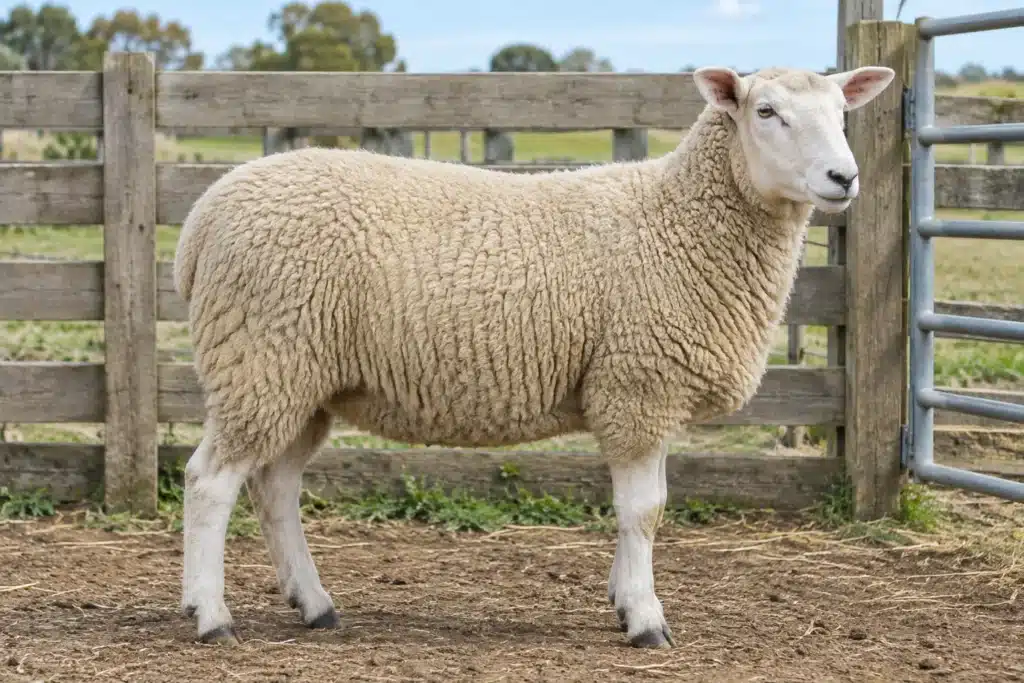
A single adult ewe typically costs $200 to $400 for commercial stock, although prices can be higher for registered breeding animals with strong genetics and documented pedigrees. Commercial ewes are generally more affordable because they are selected for practical production rather than pedigree, while registered ewes may cost several hundred dollars to over $1,000. Age, breed, reproductive history, health, and local market demand also affect the price. For example, an older ewe may cost less than a young breeding ewe, but she may have fewer productive years remaining. If you’re buying a ewe to start a flock, check her teeth, udder, feet, body condition, and breeding history before purchasing. A lower purchase price is not necessarily the best value if the animal has health or fertility problems.
 AI-generated
Illustration: A breeding ewe in good condition ready for purchase.
How Much Does a Ram Cost, and How Do You Spread That Cost Over the Flock?
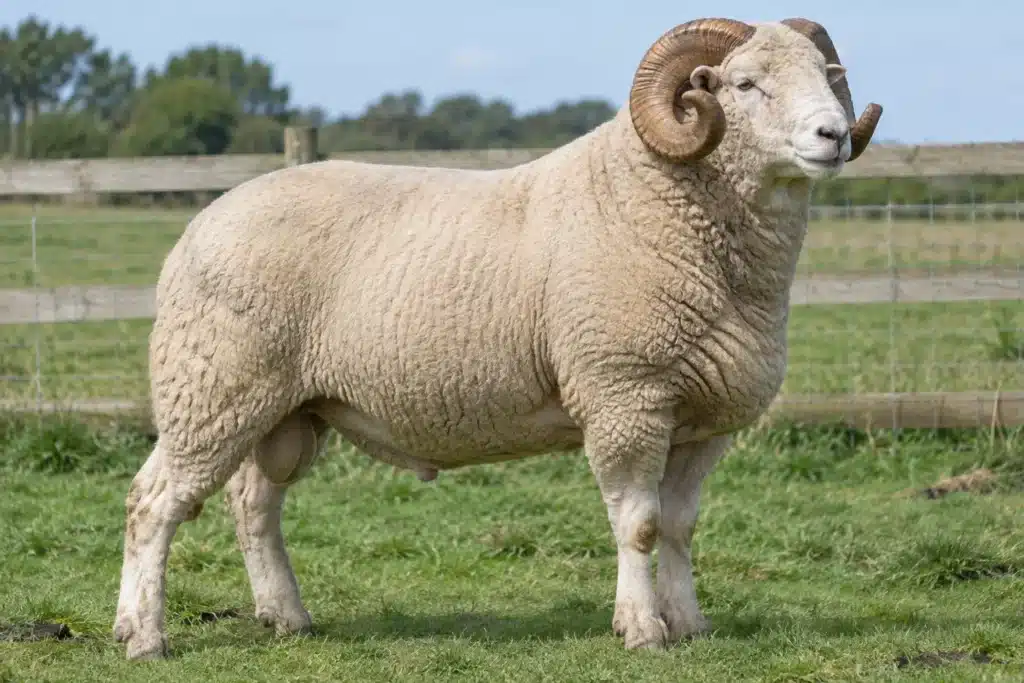
A sound commercial breeding ram typically costs at least $500, while registered rams with desirable genetics can cost several hundred dollars to several thousand. The price depends on breed, fertility, health, and the traits you want in your lambs. However, you do not need to count the full purchase price as a cost for just one breeding season. Instead, spread the ram’s cost over the years you use him and the number of ewes he breeds.
For example, if you buy a ram for $1,500, use him for two years, and sell him for $200 afterward, your net ownership cost is $1,300, or $650 per year. If he serves 35 ewes each year, that works out to about $18.57 per ewe annually, before feed, veterinary care, and other upkeep. A ram that breeds more ewes or lasts longer costs less per ewe. One that dies or turns out infertile costs much more.
Penn State Extension uses a similar calculation to show how a ram’s cost affects flock profitability. Choosing a healthy, fertile ram with the right breeding traits matters because his genetics can influence lamb growth and the future quality of your flock.
A small flock with only a few ewes, owning a ram rarely pays. Many small keepers lease a ram for breeding season or buy ewes already bred
 AI-generated
How Much Does a Lamb Cost?
A lamb usually costs $50 to $200 for a bottle-fed lamb, $150 to $400 for a weaned lamb, and $300 to $800 or more for a breeding-quality lamb. Feeder lambs bought for meat are usually priced by live weight. In mid-October 2026, US auction prices ranged from about $3.44 to $3.80 per pound.
A bottle lamb is cheaper upfront, but milk replacer and extra care can make it cost as much as a weaned lamb or more by the time it is grown. For first-time buyers, a weaned lamb is usually the safer choice.
Lamb Prices by Type at a Glance
| Lamb Type | Typical Price Range | Best For | What to Expect |
|---|---|---|---|
| Bottle-fed lamb | $50 – $200 | Hobby farms, 4-H, pets | Cheapest to buy, but needs frequent milk feeding and close care |
| Weaned lamb | $150 – $400 | Beginners raising for meat or a small flock | Already eats solid feed, so it needs less daily work |
| Breeding lamb | $300 – $800+ | Starting or improving a breeding flock | Price depends on breed, genetics, registration, and age |
| Feeder lamb (meat) | Priced per pound of live weight | Raising lambs to market weight | Price changes weekly with auction markets |
Auction prices are reported by the USDA Agricultural Marketing Service (AMS), the federal agency that publishes market news for livestock, and summarized each week by the American Sheep Industry Association (ASI). Prices are quoted per hundredweight (cwt = 100 lbs).
Current Feeder and Market Lamb Prices 2026 are clearly higher than a year ago. Most markets are up 20% to 35%, so a budget based on last year’s prices will probably be too low.
Tips before You Buy a Lamb
- Check current prices first. Review the latest USDA AMS auction reports or the ASI weekly market summary before you set a budget.
- Budget beyond the purchase price. Include transport, feed, shelter, vaccines, deworming, and vet care.
- Inspect the lamb’s health. Look for bright eyes, a clean nose, steady movement, and good body condition.
- Choose breeding stock carefully. For a breeding flock, focus on health records, growth rate, structure, and the parents’ performance, not only the lowest price.
How to Calculate the Cost of a Feeder Lamb
To estimate the cost, multiply the lamb’s live weight by the current price per pound.
For example a 60-pound feeder lamb at $3.60 per pound costs $216. That figure covers only the purchase price. Transport, feed, vaccinations, and other expenses come on top.
Sheep Prices by Breed: Commercial vs Registered
Commercial sheep typically cost around $200 to $500 per animal, while registered breeding sheep can range from several hundred dollars to over $1,000, with exceptional animals selling for much more. The difference comes down to more than breed alone. Commercial sheep are generally selected for practical production, such as meat or lamb raising, while registered sheep have documented pedigrees and may offer desirable genetic traits. Breed also matters: meat breeds such as Suffolk and Dorper, wool breeds such as Merino, and hair breeds such as Katahdin serve different farming goals. Before paying a premium for registered stock, check the animal’s registration papers, health, and performance records.
| Breed | Main use | Price vs. commercial ewe | Why |
|---|---|---|---|
| Katahdin | Meat (hair) | Similar to slightly higher | High demand; no shearing |
| Dorper | Meat (hair) | Higher | Fast growth, popular with commercial flocks |
| Suffolk | Meat (wool) | Similar | Widely available; common in crossbreeding |
| Merino | Fine wool | Higher | Wool genetics drive the price |
| East Friesian | Dairy | Highest | Rare in the US; dairy genetics |
If you want meat or grazing for your own farm, commercial stock is usually the better value. Registered stock makes sense if you plan to sell breeding animals. See our sheep breeds guide for more on each breed.
What Does a Full Starter Flock Budget Actually Look Like?
Starting with 10 breeding ewes and one ram can cost roughly $6,900 to $23,000 in the United States, depending on animal quality and the facilities you already have. The animals are only part of the investment; fencing, shelter, feed, and basic supplies can add thousands of dollars to the initial budget.
| Startup expense | Estimated cost |
|---|---|
| 10 breeding ewes | $2,000–$5,000 |
| 1 breeding ram | $400–$1,500 |
| Fencing | $3,000–$10,000 |
| Shelter or barn | $1,000–$5,000 |
| Initial feed and supplies | $500–$1,500 |
| Estimated total | $6,900–$23,000 |
These are broad planning estimates, not fixed prices. If you already have suitable fencing, shelter, and pasture, your startup costs may be considerably lower. Before buying animals, budget for ongoing expenses such as hay, veterinary care, minerals, and breeding management, as these costs continue after the initial purchase. If you are starting on a limited budget, compare the cost of buying a complete flock with the option of starting with fewer ewes and expanding as your experience and resources grow.
How Much Does It Cost to Keep a Sheep per Year?
In the United States, plan for $300 to $800 per sheep per year. The total depends on pasture quality, hay prices, climate, and veterinary needs. Feed is usually the biggest cost, especially in winter when grazing is limited.
Annual Sheep Cost Breakdown
| Expense | Estimated Annual Cost per Sheep | Notes |
|---|---|---|
| Grain and other feed | $120 – $350 | Highest when pasture is poor or limited |
| Hay | $100 – $250 | Mostly needed in winter and dry seasons |
| Veterinary care | $50 – $150 | Vaccinations, parasite control, sick visits |
| Minerals and supplements | $20 – $50 | Use sheep-specific minerals (no added copper) |
| Estimated total | $290 – $800 | Broad estimate; your costs may differ |
How to Lower Your Yearly Sheep Costs
- Graze as long as possible. Good pasture is the cheapest feed and can greatly reduce how much hay and grain you buy.
- Buy hay before winter. Estimate how much hay your flock needs and compare local prices early, before supplies run low and prices rise.
- Set aside a health fund. Budget separately for hoof trimming, deworming, vaccinations, and unexpected vet visits.
- Plan for shearing. If you keep wool sheep, include annual shearing in your budget. Wool sales often do not cover the cost.
How to Find Your Real Cost per Sheep
Track every flock expense for one full year, including feed, health care, bedding, and equipment. Then divide the total by the number of sheep you keep:
Total yearly flock expenses ÷ number of sheep = cost per sheep per year
This gives you a more accurate number than any general estimate. It also shows you where to cut costs next year.
Where Do You Buy Ewes, Rams, or Ewes with Lambs, and What Do You Check First?
You can buy ewes, breeding rams, and ewes with lambs from local farms, livestock auctions, reputable breeders, or online livestock marketplaces like Animals Farming . An online marketplace makes it easier to compare animals, breeds, prices, and seller listings before making a decision.
Before buying, check the sheep’s body condition, teeth, feet, and general health. For ewes, ask about their lambing history and udder health; for rams, check their breeding history and fertility records if available. If you’re buying a ewe with lambs, make sure the lambs are active and nursing properly. Always ask about vaccination, deworming, and health records, and inspect the animals in person before paying whenever possible. Compare several listings rather than choosing solely on price.
Check the Full Cost before You Buy, Then Track It
Before you pay for a ewe or ram, work out what a lamb from that animal will need to sell for to cover her keep, not just her purchase price. The budgets above show that number can run from under $2 to over $3 a pound depending on the system, so price your own flock against your local costs rather than a figure from this page. Once animals are on the ground, the next step is tracking what each one costs and brings in. Farm accounting software for livestock income and expenses keeps that per-animal record without a separate spreadsheet.
What Determines What a Sheep Is Worth If You Sell It Later?
A sheep’s resale value depends on its age, health, weight, breeding ability, and current market demand. Feeder lambs are usually priced by live weight and condition, while healthy breeding ewes with good teeth, a sound udder, and a strong lambing history can sell for more. Older ewes, sheep with health problems, and ewes that no longer breed successfully often sell for less. Breed, genetics, and market prices also affect what buyers are willing to pay.
University Extension estimates the cost of running sheep on rangeland at about $0.30 per head per day. Over months of grazing, that cost adds up on top of the purchase price.
Prices change from month to month.Before selling, check recent prices at local livestock auctions or current market reports, and compare similar animals to set a realistic asking price. Remember that the price you receive may be lower than what you originally paid, especially after accounting for feed, veterinary care, and other costs.
Sources
- Spring Lamb Production (extension.psu.edu)
- Off-Season and Accelerated Lamb Production (extension.psu.edu)
- extension.missouri.edu g686 Sheep Planning Budget (extension.missouri.edu)
- extension.missouri.edu g685 Sheep (Early Lambing) Planning Budget (extension.missouri.edu)
- Starting a Sheep Enterprise – Oklahoma State University (extension.okstate.edu)
- Ram Selection Principles (extension.psu.edu)
- Milking Sheep Production (extension.psu.edu)
- Using Rangeland to Extend Lambs to Meet a More-Optimal Market (extension.sdstate.edu)
Frequently Asked Questions
What's the cheapest way to buy your first sheep?
Buying directly from a local breeder or another small-scale keeper tends to cost less than buying at a sale or auction, since there's no commission and a seller who knows you may price based on the relationship rather than market demand. Sale barns can also offer lower prices, but you can't check the animal's full history before bidding, so the lower price comes with more risk. Check body condition, udder, and teeth yourself whenever you can, no matter where you buy.
Can you start a flock with a ewe and her lamb instead of an open ewe?
Yes, buying a ewe with a lamb at her side, sometimes listed as a pair, can bring in income sooner because the lamb is already growing, but you pay more upfront since you're buying two animals at once. Confirm the lamb is actually hers and nursing well, and check that her udder has two working sides before you pay. This is a common way to start a flock alongside buying open ewes.
Do you need any paperwork or identification to buy or sell sheep in the United States?
Sheep moved or sold in the United States generally need official identification, which can include a tag issued under USDA's scrapie eradication program along with any health paperwork a buyer or state requires, and the exact rules vary by state and by whether the animals cross state lines. Ask your state veterinarian's office or your local extension agent what applies before you buy or sell, rather than assuming rules from another state or farm. This paperwork is separate from the purchase price of the animal.
How much pasture does a beginner need per sheep?
The land a sheep needs depends on pasture quality, rainfall, and how long the grazing season runs where you farm, so there's no single figure that fits every farm. Your local extension office can help you work out a stocking rate for your own soil and pasture before you decide how many ewes to buy. This is separate from the flock-size decision covered earlier, which is about labor and management capacity rather than acreage.
